


carpenterbeehouse
carpenterbeehouses@outlook.com
**Build a Carpenter Bee House: A Guide to Eco-Friendly Bee Habitats** (140 อ่าน)
9 มิ.ย. 2569 18:45
If you’re looking to create a welcoming environment for our buzzing friends, building acarpenter bee house is a great project. Carpenter bees play a vital role in pollination and maintaining the ecosystem, but they often face habitat loss. Creating a carpenter bee house not only supports these essential insects but also provides you with the opportunity to observe their fascinating behavior close up.
### Understanding Carpenter Bees
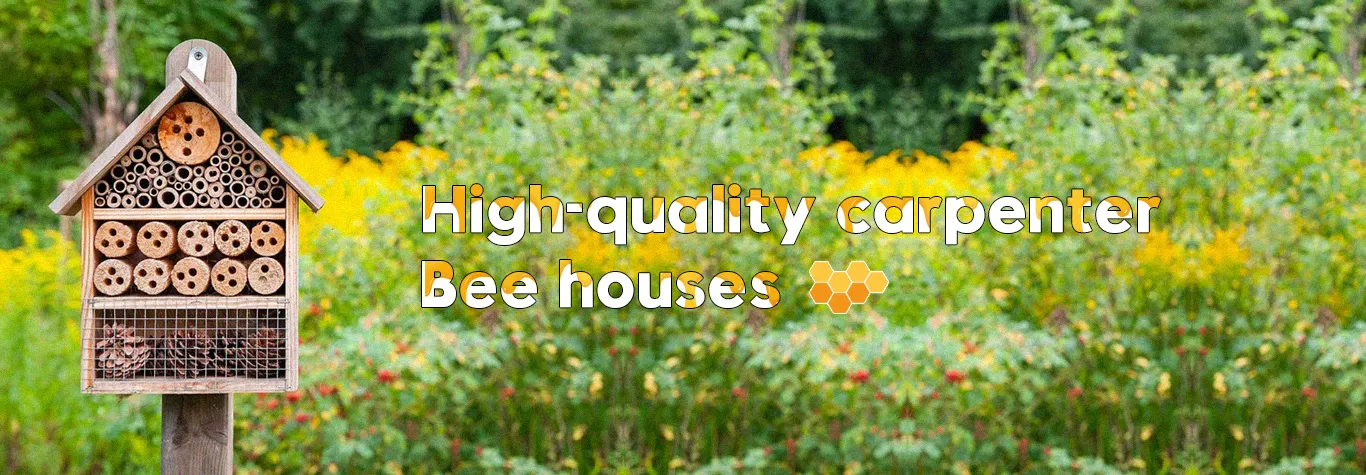
Carpenter bees are large, solitary bees that resemble bumblebees. Unlike bumblebees, carpenter bees often have shiny, hairless abdomens. They primarily nest in wood, making them unique among bees. Female carpenter bees bore tunnels in wood to lay their eggs, while males defend the territory around their nesting sites, although they do not sting.
### Benefits of Building a Carpenter Bee House
1. **Pollination**: Carpenter bees are effective pollinators, helping to fertilize flowers and crops.
2. **Biodiversity**: Building a carpenter bee house contributes to the overall health of the local ecosystem.
3. **Education**: Observing carpenter bees can be a unique learning opportunity for children and adults alike.
### Materials Needed
To build a carpenter bee house, you will need:
- Untreated wood (e.g., pine or cedar)
- Drill with various-sized bits (1/4 inch and 1/2 inch)
- Saw
- Measuring tape
- Sandpaper
- Waterproof wood glue (optional)
- Exterior paint or wood sealant (optional)
Carpenter Bee House<br style="font-family: 'Microsoft YaHei'; font-size: medium;" />Carpenter Bee Hive<br style="font-family: 'Microsoft YaHei'; font-size: medium;" />Wood Bee Trap<br style="font-family: 'Microsoft YaHei'; font-size: medium;" />Bee Outfit
### Step-by-Step Guide to Constructing Your Carpenter Bee House
#### Step 1: Choose Your Location
Select a sunny spot that isn’t too windy and away from heavy foot traffic. Carpenter bees prefer locations that are sheltered and close to flowering plants.
#### Step 2: Cut the Wood
Use untreated wood to create blocks that are approximately 6x6 inches in size, and at least 6 inches tall. The blocks should contain various sizes of holes to accommodate different species. Drill holes at varying depths (about 3 to 6 inches deep) to provide nesting opportunities.
#### Step 3: Drill Holes
Drill holes ranging from 1/4 inch to 1/2 inch in diameter. Space the holes about 1 inch apart to avoid conflict among nesting bees. Make sure to drill straight down, leaving a clean, smooth edge for the bees.
#### Step 4: Sand the Edges
Smooth the edges of the holes using sandpaper. This will prevent any injury to the bees as they enter and exit their nests.
#### Step 5: Assemble the Bee House
Optional: If you want a more durable construction, you can use wood glue to secure pieces together to create a box structure or simply stack the wooden blocks.
#### Step 6: Finish the Outer Layer
While it’s best to avoid treated wood, you may choose to apply an exterior sealant or paint to protect the carpenter bee house from weather elements. If you do, ensure the product is non-toxic so that it doesn’t harm the bees.
#### Step 7: Mount the Bee House
Attach your carpenter bee house to a post, tree, or wall using screws. Ensure it is placed at least 3 to 5 feet off the ground in a sunny location.
### Maintenance and Care
To ensure your carpenter bee house remains an inviting habitat:
- Inspect it regularly for signs of damage or parasites.
- Ensure that the wood remains untreated and free of chemicals.
- Clean out old nests in late summer to prepare for new residents in the spring.
### Conclusion
Building a carpenter bee house can help preserve these incredible pollinators while enhancing your garden’s biodiversity. By following this guide, you’ll create a safe haven for carpenter bees and enjoy watching them thrive in your backyard. Remember, every little effort counts in supporting our vital pollinators!
111.193.228.186
carpenterbeehouse
ผู้เยี่ยมชม
carpenterbeehouses@outlook.com
Ryan Anderes
nyh14190@boofx.com
18 มิ.ย. 2569 13:58 #1
Examstrack's resources are ideally suited for experienced virtualization administrators, architects, and cloud engineers seeking to validate their expertise at the VCAP level. The page emphasizes the tangible career advantages of earning this certification, such as increased satisfaction, new career options, and higher salary potential (noting that certified professionals can earn 10-20% more). It also provides essential details on the exam pattern, which includes multiple-choice, simulation, and other question types, helping you understand exactly what to expect.
https://www.examstrack.com/vmware-dumps/3v0-22-25-exam
154.192.78.64
Ryan Anderes
ผู้เยี่ยมชม
nyh14190@boofx.com