


stiltsrrhe
stiltsstilts@outlook.com
jumping stilts (7 อ่าน)
28 ต.ค. 2569 14:28
Jumping Stilts: Benefits, Safety Tips, and How to Get Started
jumping stilts—also known as powerbocking stilts, power stilts, or spring stilts—are performance-enhancing stilts with curved leaf springs attached to the feet and lower legs. They allow users to jump higher, run faster, and perform acrobatic movements that feel almost superhuman. This guide covers what jumping stilts are, how they work, their benefits, safety tips, and what beginners need to know before buying a pair.
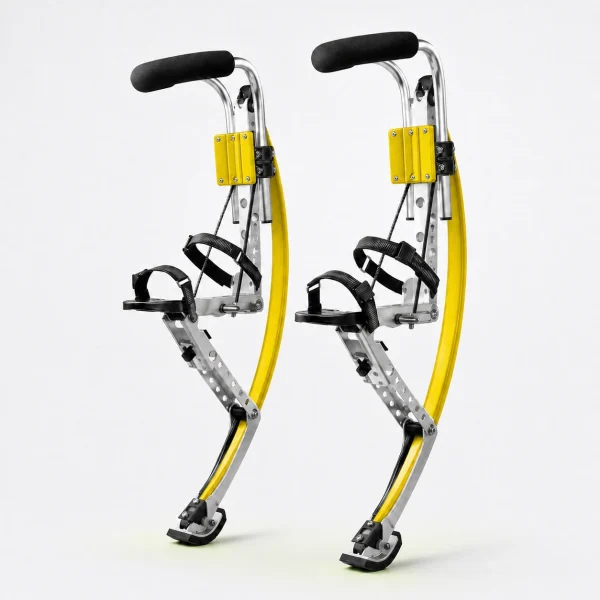
## What Are Jumping Stilts?
Jumping stilts are specialized stilts designed for running and jumping. Unlike traditional circus stilts, they use fiberglass or carbon-fiber springs to store and release energy with each step. This spring action lets users:
- Jump up to 1–2 meters (3–6 feet) in the air (experienced users)
- Take long bounding strides
- Run at speeds that can exceed normal sprinting pace
They attach to your lower legs with padded cuffs and straps, while your feet are secured to platforms above the springs. Rubber “hooves” provide ground contact and grip.
Common names and brands include:
- PowerBocks / Powerbocking stilts
- Jumping stilts / spring stilts
- Power stilts / bounce stilts
- Brand examples: Skyrunner, Poweriser, Flyjumper (availability varies by region)
---
## How Do Jumping Stilts Work?
Jumping stilts rely on the principle of elastic potential energy.
1. **Compression** – When you land or step down, your body weight compresses the curved spring.
2. **Energy Storage** – The spring stores this energy as it flexes.
3. **Release** – As you push off, the spring rapidly returns to its original shape, releasing the stored energy and propelling you upward or forward.
Key components:
- **Spring** (fiberglass/carbon fiber): Provides bounce and determines maximum load.
- **Foot platform**: Where your shoe is strapped in.
- **Calf and knee cuffs**: Stabilize the lower leg and keep the stilts secure.
- **Frame**: Connects all parts and withstands repeated impact.
- **Rubber foot pads**: Provide grip, shock absorption, and traction.
---
## Benefits of Using Jumping Stilts
### 1. Full-Body Workout
Using Skyrunner Jumping Stilts DE engages multiple muscle groups:
- Legs and glutes from repeated jumping and bounding
- Core muscles for balance and posture
- Upper body and arms for stabilization and tricks
Sessions on jumping stilts can provide excellent cardio and strength training simultaneously.
### 2. Cardio and Calorie Burning
The high-intensity, plyometric nature of jumping stilts can:
- Increase heart rate quickly
- Improve cardiovascular endurance
- Burn more calories in a shorter time compared with walking or light jogging
They can be used for interval-style workouts or longer endurance sessions once you’re experienced.
### 3. Balance, Coordination, and Agility
Learning to move confidently on jumping stilts:
- Improves balance and body awareness
- Trains reaction speed and stability
- Enhances overall coordination, which can help in other sports and activities
### 4. Fun and Motivation
Many users stick with jumping stilts because they are simply fun. The sense of height and bounce can:
- Make exercise feel like play
- Encourage outdoor activity
- Provide a new challenge for people bored with standard workouts
### 5. Performance and Creative Expression
Jumping stilts are also popular in:
- Street performances and stunt shows
- Dance routines
- Extreme sports videos and social media content
They allow for flips, spins, and choreographed movements once the basics are mastered.
---
## Are Jumping Stilts Safe?
Jumping stilts can be used safely when proper precautions are taken. However, they do involve:
- Height above the ground
- Increased speed and impact forces
- A learning curve for balance and control
This means risk of falling is real, especially for beginners. Most injuries occur when users:
- Skip protective gear
- Try advanced tricks too early
- Use stilts on unsafe surfaces
With the right equipment, environment, and progression, many people use jumping stilts regularly without serious issues.
---
## Essential Safety Tips for Jumping Stilts
### 1. Always Wear Protective Gear
At minimum, you should use:
- Helmet (skate or bike helmet)
- Wrist guards
- Knee pads
- Elbow pads
- Gloves (optional but helpful for falls)
For beginners, consider:
- Padded shorts or hip protection
- Mouthguard if you plan on doing advanced tricks
### 2. Start on a Suitable Surface
Ideal surfaces:
- Flat, even asphalt or concrete
- Smooth gym floors
- Short, well-maintained grass (slightly more forgiving but can catch the foot pads)
Avoid:
- Wet, icy, or slippery ground
- Gravel, sand, or loose soil
- Steep slopes or areas near traffic, obstacles, or crowds
### 3. Learn the Basics Before Tricks
Begin with:
1. Standing up and balancing near a rail, wall, or friend for support
2. Small steps in place
3. Walking forward slowly
4. Practicing controlled stops and turns
5. Light bouncing and low jumps
Attempt higher jumps, running, and tricks only after you can:
- Start, stop, and turn easily
- Maintain balance without holding onto anything
- Recover smoothly from small stumbles
### 4. Respect Your Limits
- Stop when you’re tired—fatigue leads to sloppy technique and falls.
- Progress gradually to longer sessions and more aggressive moves.
- Listen to joint discomfort and take rest days to avoid overuse injuries.
---
## How to Choose the Right Jumping Stilts
### 1. Weight Rating
Jumping stilts are sold by weight category. Choose a pair that:
- Matches your body weight (with clothes and any gear)
- Falls near the middle of the recommended range, not at the very edge
Using stilts rated too low can:
- Over-flex the springs
- Reduce control and increase risk of breakage
Using stilts rated too high can:
- Feel stiff and unresponsive
- Make jumping more difficult
### 2. Material and Build Quality
Look for:
- Durable fiberglass or carbon-fiber springs
- Solid metal frame and quality welds
- Comfortable, well-padded cuffs and straps
- Replaceable foot pads and spare parts availability
Cheaper, low-quality stilts may wear out quickly or fail under stress, which is especially dangerous during jumps.
### 3. Size and Adjustability
Check the manufacturer’s size guide for:
- Leg length range
- Strap adjustability
- Recommended age or height
Some models are designed for adults only; others are made specifically for teens or lighter users.
### 4. Brand Reputation and Reviews
Before buying:
- Read user reviews for durability and comfort
- Check for videos or tutorials by people using that exact model
- Confirm that replacement parts (springs, pads, straps) are easy to purchase
---
## Getting Started: Step-by-Step for Beginners
https://skyrunnerstilts.de/#flight-check<br style="font-family: 'Microsoft YaHei'; font-size: medium;" />Sprungstelzen für Erwachsene
1. **Prepare and gear up**
- Put on helmet and pads.
- Check all bolts, straps, and springs for any visible damage.
2. **Mount safely**
- Sit on a sturdy chair or bench.
- Strap in one foot at a time.
- Tighten straps securely but not painfully.
3. **Stand with support**
- Use a wall, rail, or a stable friend’s shoulder for balance.
- Straighten your legs slowly and feel the springs under your weight.
4. **Practice weight shifting**
- Transfer weight from one leg to the other.
- Slightly bend your knees to feel how the springs respond.
5. **Take small steps**
- Start with tiny marching steps in place.
- Progress to slow, deliberate walking.
- Keep your knees slightly bent at all times.
6. **Build confidence**
- Practice stopping and turning.
- Add small bounces as you gain stability.
- Gradually increase speed and jump height.
7. **Advance at your own pace**
- Try jogging, then running.
- Move on to low jumps, then higher bounding steps.
- Only consider tricks after several sessions of stable running and jumping.
---
## Common Questions About Jumping Stilts
### Can anyone use jumping stilts?
Most manufacturers list:
- A minimum age (often teens)
- A weight range
- Basic health guidelines
People with serious knee, ankle, hip, or back issues should consult a medical professional first. Children should be supervised and use models designed specifically for their weight and size.
### How long does it take to learn?
The timeline varies:
- Basic standing and walking: often within 1–2 sessions
- Comfortable walking and light bouncing: a few practice days
- Running and controlled jumps: a few weeks of consistent training
- Tricks and advanced moves: months of practice
Consistency and patience are more important than natural talent.
### Are jumping stilts good for fitness?
Yes. Used correctly, they provide:
- Intense cardiovascular training
- Plyometric leg workout
- Core and balance training
They should complement, not replace, other forms of strength and mobility work.
---
## Maintenance and Care
To keep your jumping stilts safe and long-lasting:
- **Inspect before each use**: Check springs, bolts, straps, and pads for wear or damage.
- **Tighten hardware regularly**: Vibrations can loosen bolts over time.
- **Replace worn foot pads**: Worn rubber reduces traction and increases slip risk.
- **Store indoors**: Keep them dry, away from extreme heat, UV exposure, and moisture.
- **Follow manufacturer guidelines**: Especially for weight limits, cleaning, and replacement parts.
---
## Final Thoughts
Jumping stilts combine fitness, fun, and a thrill of height that few other sports equipment can offer. When you choose the right model for your weight, use proper protective gear, practice in safe conditions, and progress gradually, they can be a rewarding way to build strength, endurance, and coordination.
If you’re interested in trying them:
- Start with a reputable brand
- Learn the basics patiently
- Prioritize safety over stunts
With time and practice, jumping stilts can turn everyday movement into an exciting, high-flying workout.
61.221.116.28
stiltsrrhe
ผู้เยี่ยมชม
stiltsstilts@outlook.com
Rankxoom
rankxoom@gmail.com
28 ต.ค. 2569 14:49 #1
Rankxoom
ผู้เยี่ยมชม
rankxoom@gmail.com